

In today’s fast-paced digital world, managing finances efficiently is crucial. Multiple digital bank accounts can offer a range of benefits, from maximizing interest returns and cashback rewards to streamlining budgeting and separating personal and business finances. However, juggling numerous accounts can quickly become overwhelming without a proper system. This article will provide you with practical strategies and valuable insights on how to effectively manage multiple digital bank accounts, ensuring you maintain control and optimize your financial well-being. Learn how to leverage the advantages of digital banking while minimizing the potential complexities.
Whether you are a seasoned online banking user or just beginning to explore the possibilities of multiple digital bank accounts, this guide will equip you with the tools and knowledge necessary for success. Discover effective methods for tracking transactions, maintaining security, and consolidating information from various platforms. We’ll delve into the benefits of utilizing budgeting apps and explore best practices for organizing your digital finances. Mastering the art of managing multiple digital bank accounts can empower you to achieve your financial goals with greater ease and efficiency.
Why You Might Need Multiple Accounts
Managing your finances can be significantly easier with multiple digital bank accounts. Organization is a key benefit. You can designate specific accounts for particular purposes, like savings, bills, or travel. This simplifies budgeting and tracking expenses.
Furthermore, multiple accounts can enhance financial security. Keeping your emergency fund in a separate account reduces the risk of accidentally spending it. Also, some banks offer higher interest rates on specific account types, allowing you to maximize your returns.
Tracking Different Goals or Incomes
One of the most powerful benefits of managing multiple digital bank accounts is the ability to easily track different financial goals or income streams.
For example, you could dedicate one account for saving for a down payment, another for emergency funds, and a third for daily expenses. This separation provides a clear picture of your progress towards each goal.
Similarly, if you have multiple income sources – perhaps a full-time job and a freelance gig – you can direct those payments into separate accounts. This simplifies tracking income and expenses for each source, particularly helpful for tax purposes.
Avoiding Confusion with Labeling
With multiple digital bank accounts, clear labeling is essential to avoid confusion. Misplaced funds or missed payments can easily occur if accounts aren’t readily identifiable.
Develop a consistent labeling system. Examples include using account purpose (e.g., “Emergency Fund,” “Travel Savings”) or by bank and account type (e.g., “BankA Checking,” “BankB Savings”).
Use of Aggregator Apps to Monitor
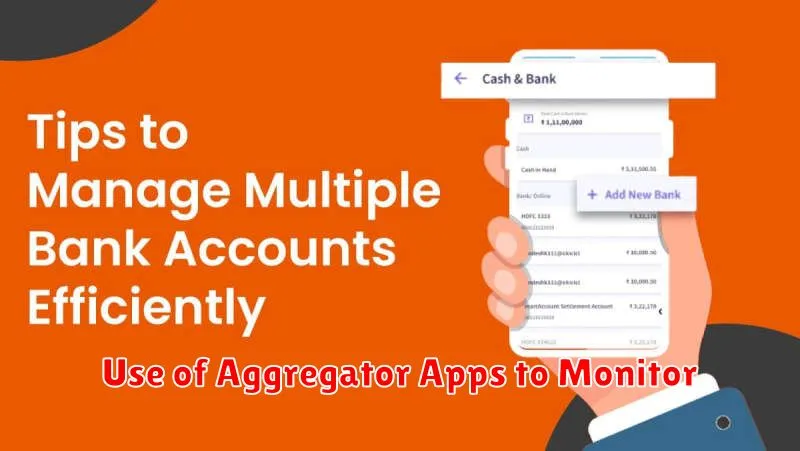
Aggregator apps provide a centralized platform to monitor multiple digital bank accounts. These apps link to your various accounts, presenting a consolidated view of your balances, transactions, and spending habits.
By using aggregator apps, you can easily track your overall financial health across different institutions. This can be particularly useful for managing budgets, identifying potential fraud, and making informed financial decisions.
Keeping Security Tight Across Accounts
Managing multiple accounts requires vigilance. Strong, unique passwords are crucial. Avoid using the same password across different banks. Consider a password manager to securely store your credentials.
Two-factor authentication (2FA) adds an extra layer of protection. Enable this feature whenever possible. Regularly monitor your account activity for any unauthorized transactions. Report suspicious activity immediately.
Transferring Funds Between Accounts
Managing multiple accounts often necessitates transferring funds between them. This process typically involves initiating a transfer from the source account to the destination account. Ensure accurate account details to avoid delays or misdirected funds.
Most digital banks offer several transfer methods. Common options include same-bank transfers, which are usually instantaneous, and external transfers to accounts at different institutions. These external transfers may take a few business days to complete and could incur fees.
Regularly review transfer limits. Banks often impose daily or weekly transfer limits for security. Be aware of these limits to avoid transaction failures.
Simplifying Taxes and Reporting
Managing multiple digital bank accounts can complicate tax reporting. Organization is key. Maintain accurate records of all transactions across each account. Utilize spreadsheets or dedicated financial software to track income and expenses.
Consider separating accounts for different purposes, such as business and personal expenses. This simplifies tracking and categorization during tax season. Consult with a tax professional for personalized advice on managing your specific financial situation.
