
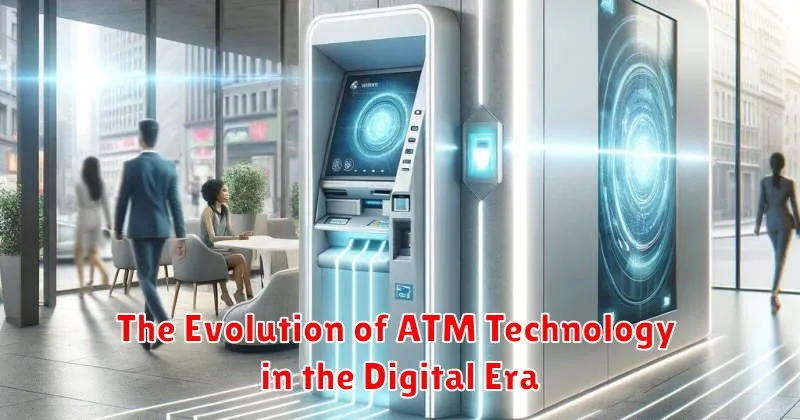
The Automated Teller Machine (ATM), once a revolutionary innovation in banking, has undergone a dramatic evolution in the digital era. From its humble beginnings as a cash dispenser, the ATM has transformed into a sophisticated self-service banking terminal. This evolution has been driven by advancements in technology, changing customer expectations, and the increasing need for secure and convenient banking solutions. This article explores the key milestones in the evolution of ATM technology, from its inception to its current state, highlighting the impact of the digital age on its functionality and design.
This journey through the history of ATMs will examine how these machines have adapted to the rise of online banking, mobile payments, and other digital banking trends. We will delve into the incorporation of new technologies such as contactless transactions, biometric authentication, and interactive video displays, demonstrating how these features enhance the user experience and security. Understanding the evolution of ATM technology is crucial for comprehending the current landscape of financial technology and anticipating future innovations in self-service banking.
History of ATM Technology
The first automated teller machine (ATM) debuted in London in 1967, dispensing a fixed amount of cash after a user inserted a pre-printed voucher. This marked the beginning of a shift towards self-service banking.
The 1970s saw the introduction of magnetic stripe cards, enabling variable cash withdrawals and expanding ATM functionality. Interbank networks emerged in the following decades, allowing customers to access funds from ATMs beyond their own bank’s branches. This era was crucial for establishing ATM convenience and accessibility.
The late 20th and early 21st centuries witnessed further innovations like screen-based interfaces, enhanced security measures, and the integration of ATMs with broader digital banking platforms. These developments solidified the ATM’s role as a cornerstone of modern financial transactions.
Introduction of Cardless Withdrawals
In the continuing evolution of ATM technology, cardless withdrawals have emerged as a significant development. This innovative approach allows customers to access their funds without the need for a physical card, enhancing both convenience and security.
Cardless cash access typically leverages mobile banking apps and other digital authentication methods. By generating a unique, time-sensitive code, users can authorize a withdrawal directly from their smartphone. This eliminates the risk of card skimming and other forms of physical card fraud.
Biometric and Facial Recognition ATMs
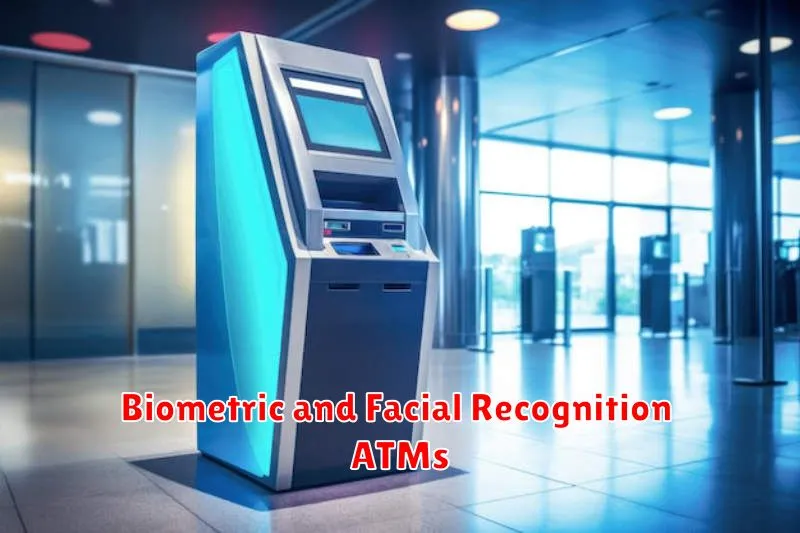
Biometric authentication represents a significant advancement in ATM security. Moving beyond PINs and cards, these systems leverage unique biological traits for identification.
Fingerprint scanning is a common biometric method, offering enhanced security and convenience. Facial recognition takes this a step further, allowing for contactless authentication by analyzing facial features.
These technologies offer a more secure and streamlined user experience, minimizing the risk of fraud and card skimming.
Integration with Digital Bank Apps
A key development in modern ATM technology is its integration with digital banking applications. This synergy allows for a more seamless and personalized banking experience.
Functionality now extends beyond simple cash withdrawals. Users can conduct a wider range of transactions, such as viewing account balances, transferring funds between accounts, and even paying bills directly through the ATM interface linked to their banking app.
This integration also enhances security. Features like biometric authentication through the app, and cardless cash withdrawals minimize the risk of fraud and provide a more convenient experience.
Real-Time Updates and Receipt Options
Modern ATMs offer real-time updates on account balances and transaction history, providing greater transparency and control for users. This eliminates the need to wait for monthly statements or log into online banking to check recent activity.
Furthermore, receipt options have evolved. Customers can now choose between traditional paper receipts, digital receipts sent via email or SMS, or opt for no receipt at all, contributing to a more environmentally friendly approach.
Security Enhancements in Smart ATMs
Smart ATMs leverage advanced technologies to bolster security measures against evolving threats. Biometric authentication, such as fingerprint or iris scanning, offers a more secure alternative to traditional card and PIN methods.
Real-time fraud detection systems analyze transactions for suspicious patterns, enabling quicker responses to potential threats. Enhanced encryption protects sensitive data, minimizing the risk of compromise.
Tamper-resistant hardware and software further fortify ATMs against physical attacks and malware.
What’s Next for ATM Innovation
The future of ATMs hinges on enhanced integration with digital banking. We can expect to see more cardless transactions utilizing mobile devices and biometric authentication.
Enhanced security measures, such as AI-powered fraud detection, will be crucial. Personalization features, offering tailored services based on user preferences, are also on the horizon.
Finally, ATMs will continue to evolve beyond cash dispensing, offering services like bill payments, check deposits, and even cryptocurrency transactions.
