
Managing your finances effectively is crucial in today’s fast-paced digital world. Direct deposit offers a convenient and secure way to receive your paycheck, government benefits, or other recurring payments electronically. When paired with the innovative features of digital banks, managing your direct deposits becomes even more streamlined and efficient. This article provides valuable tips for managing direct deposits with digital banks, empowering you to take control of your financial well-being and maximize the benefits of modern banking.
Digital banks are revolutionizing the financial landscape, providing users with unparalleled accessibility and control over their funds. Understanding how to effectively manage your direct deposits within these digital platforms is essential for optimizing your finances. From setting up recurring transfers to automating savings goals, implementing these tips can significantly enhance your financial organization and help you achieve your financial objectives. Explore these practical strategies for managing direct deposits with digital banks and unlock the full potential of your digital finances.
Setting Up Direct Deposit
Setting up direct deposit with a digital bank is usually a straightforward process. Locate the direct deposit information within your digital bank’s app or website. This typically includes your bank’s routing number and your account number.
You’ll need to provide this information to your employer’s payroll department or the payer initiating the direct deposit. Some banks offer a pre-filled direct deposit form that you can submit.
Verify the setup with your employer or the payer to ensure accuracy and avoid any processing delays. It’s often recommended to have a small amount deposited initially as a test.
Finding Your Routing and Account Number
Locating your routing and account numbers is essential for setting up and managing direct deposits. These numbers are crucial for identifying your account and ensuring funds are correctly deposited. Digital banks typically provide easy access to this information through their online platforms.
Commonly, you can find your routing and account numbers by logging into your online banking portal or mobile app. Look for sections labeled “Account Details,” “Account Information,” or similar. Some banks offer a digital version of your account statement, which clearly displays these numbers. If you’re unable to locate this information, contacting customer support is always a reliable option.
Benefits of Fast Payroll Delivery
Fast payroll delivery offers several key advantages for both employers and employees. For employees, quicker access to funds improves financial stability, allowing them to meet timely obligations and reduce reliance on high-interest credit options.
From an employer’s perspective, streamlined payroll processes translate into increased efficiency and reduced administrative burden. Improved employee satisfaction and retention are also notable benefits, contributing to a more positive and productive work environment.
Splitting Deposits for Savings
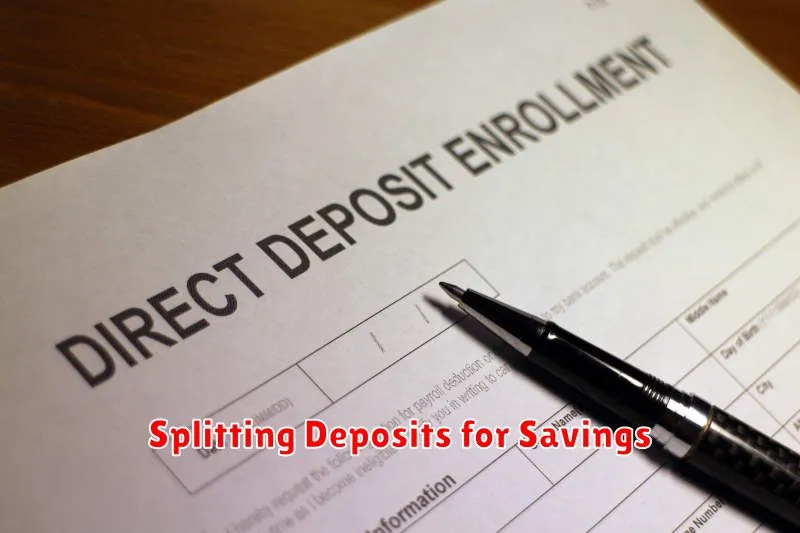
Direct deposit offers a convenient way to automate savings. Many digital banks allow you to split your deposit into different accounts. This feature lets you allocate a portion of each paycheck directly to a savings account, making saving effortless.
By setting up designated amounts or percentages for each account, you can ensure consistent savings without manually transferring funds. This automated approach helps you reach your financial goals more effectively.
Notifying Your Employer Securely
Securely updating your direct deposit information with your employer is crucial. Begin by obtaining the necessary forms, typically available through your company’s HR portal or payroll department.
Accurately provide your new digital bank’s routing number and your account number. Double-check these details to avoid errors. Some employers may offer online portals for updating this information, which can streamline the process. If submitting physical forms, consider hand-delivering them for added security.
Checking for Deposit Notifications
Digital banks often provide instant notifications for incoming deposits. These notifications can arrive via email, SMS, or push notifications through the bank’s mobile app. Activating these notifications is crucial for staying informed about your deposit status.
Regularly check your account balance through the app or online banking portal. Some banks offer a real-time transaction history that allows you to see deposits as they are processed. This can help you confirm the deposit amount and timing.
What to Do If Something Goes Wrong
Occasionally, direct deposits may encounter issues. If your deposit doesn’t arrive as expected, don’t panic. First, verify the deposit date with your payer.
Next, check your account details within your digital banking app to ensure accuracy. If the information is correct and the expected deposit date has passed, contact your bank’s customer support. Provide them with relevant details, such as the expected deposit amount and date.
Simultaneously, it’s prudent to inform the payer about the missing deposit so they can investigate from their end as well.
