
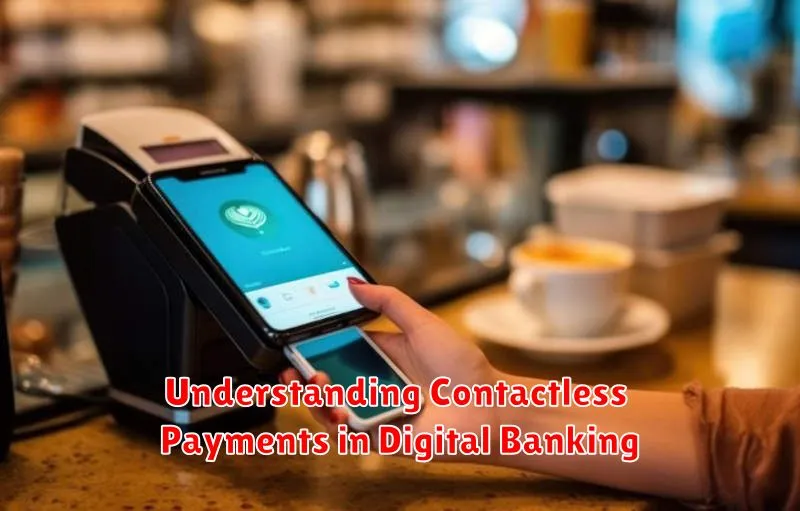
In today’s rapidly evolving digital landscape, contactless payments have become an integral part of digital banking. This innovative technology allows consumers to make transactions quickly and securely without physical contact with a payment terminal. Understanding the mechanics, benefits, and security implications of contactless payments is crucial for both consumers and financial institutions navigating the modern world of digital banking.
This article delves into the world of contactless payments within the broader context of digital banking. We will explore the underlying technology, including Near Field Communication (NFC) and Radio Frequency Identification (RFID), that powers these transactions. Furthermore, we will examine the advantages and disadvantages of contactless payments, addressing concerns about security and fraud prevention measures implemented by digital banking platforms. By the end of this article, you will have a comprehensive understanding of how contactless payments are shaping the future of digital banking.
What Are Contactless Payments?
Contactless payments are transactions made without physical contact between a payment card or device and a point-of-sale terminal. This technology uses Near-Field Communication (NFC) or radio-frequency identification (RFID) to transmit payment information wirelessly.
To make a contactless payment, simply hold your card or device near the payment terminal. A secure signal transmits the necessary data, completing the transaction quickly and efficiently. These payments are often used for small-value purchases, offering a convenient alternative to traditional payment methods.
How NFC Technology Works
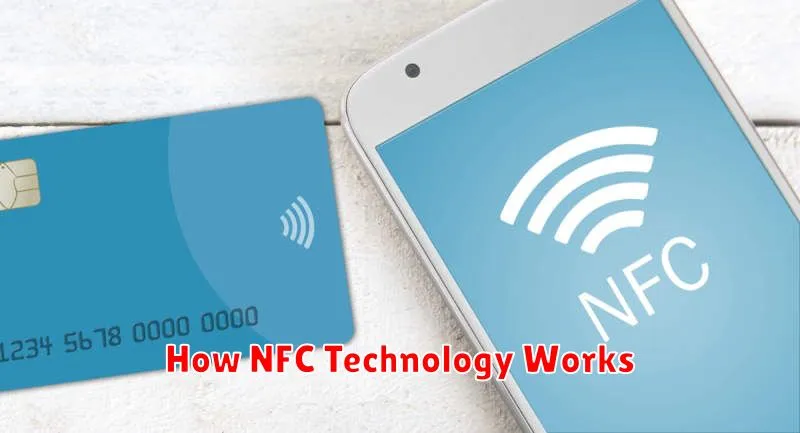
Near-field communication (NFC) allows two devices to communicate wirelessly when they are close together. NFC technology enables contactless payments by transmitting data between a payment terminal and a user’s device, such as a smartphone or smartwatch.
This communication relies on radio waves. When the NFC-enabled device is tapped near a compatible reader, an electromagnetic field generates a current within the device’s antenna. This current powers the NFC chip and allows data exchange for the transaction.
Security is a key aspect of NFC. The short range of NFC helps prevent unauthorized access. Additionally, data exchanged during NFC transactions is often encrypted.
Pros and Cons of Tap-and-Go
Tap-and-go payment methods, such as contactless cards and mobile wallets, offer several advantages. They are undeniably convenient, speeding up transactions and reducing checkout times. This speed is particularly beneficial in fast-paced environments like public transport. Additionally, contactless payments enhance security by reducing the risk of card skimming and lost or stolen cards.
However, there are also drawbacks to consider. Security concerns, while mitigated, still exist with potential vulnerabilities to unauthorized transactions if devices are lost or stolen. Another disadvantage is the spending limit imposed on single transactions, which can be inconvenient for larger purchases. Finally, not all merchants accept contactless payments, limiting its universal acceptance.
Security Measures for Tap Payments
Tap payments utilize several security measures to protect user data. Tokenization replaces sensitive card information with unique tokens, preventing actual card details from being transmitted during transactions. EMV chips generate dynamic cryptograms for each transaction, making it difficult for fraudsters to clone cards. Additionally, transaction limits exist to minimize potential losses if a card is compromised.
Furthermore, most contactless cards require PIN verification for higher-value purchases, adding an extra layer of security. Mobile wallets also incorporate biometric authentication like fingerprint or facial recognition to authorize payments.
Where You Can Use Contactless Cards
Contactless cards offer widespread acceptance across various merchants and service providers.
You can typically use them at retail stores, restaurants, gas stations, and grocery stores. Many transportation systems, including buses and subways, also accept contactless payments.
Look for the contactless symbol at the point of sale to confirm acceptance.
Linking to Mobile Wallets
Linking your bank cards to mobile wallets is a key feature of contactless payments. This process usually involves adding your card details securely within the mobile wallet application. Security measures, such as tokenization, protect your sensitive information.
Once linked, you can use your mobile device to make payments at NFC-enabled terminals. Simply hold your device near the terminal and authorize the transaction, often with biometric authentication like a fingerprint or facial recognition.
Trends in Contactless Adoption Worldwide
Contactless payment adoption is experiencing significant growth globally. Several factors contribute to this trend, including increased smartphone penetration, the rise of mobile wallets, and a greater emphasis on hygiene and convenience.
Regions like Asia and Europe have been early adopters, with high contactless penetration rates. North America has seen steady growth in recent years, while other regions are also demonstrating increasing interest and adoption. The COVID-19 pandemic further accelerated this shift towards contactless transactions.
