
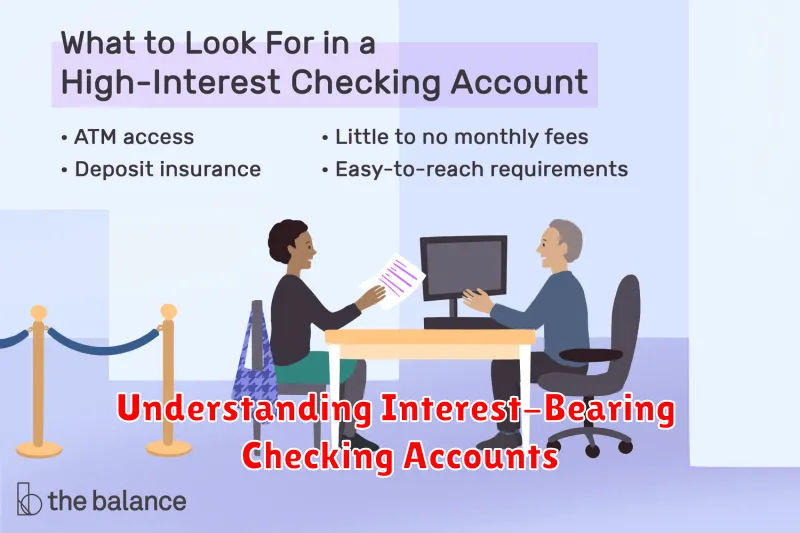
Are you looking for ways to maximize your earnings on deposits? Do you want the convenience of a checking account combined with the growth potential of an interest-bearing account? An interest-bearing checking account might be the perfect solution. These accounts offer the flexibility of regular checking accounts while also earning you interest on your balance. Understanding the nuances of these accounts is crucial to making an informed decision. Learn about how interest is calculated, the different interest rates offered, potential fees, and the benefits you can gain.
This article will delve into the world of interest-bearing checking accounts, providing a comprehensive overview of how they work and what to consider when choosing one. We’ll explore the advantages and disadvantages, compare them with traditional checking and savings accounts, and guide you through the process of identifying the best account to suit your financial needs. Discover how you can earn interest on your everyday funds while still having easy access to your money with an interest-bearing checking account.
What Are Interest-Bearing Accounts?
Interest-bearing accounts are deposit accounts held at a financial institution that pay interest on the balance maintained. These accounts allow your money to grow over time, albeit often at a modest rate. The interest earned is typically calculated daily or monthly and added to your balance.
Several types of accounts fall under this category, including savings accounts, money market accounts, and certain types of checking accounts.
How Do They Work in Digital Banks?
Interest-bearing checking accounts in digital banks function similarly to those in traditional banks, but often with some key differences. Interest accrual is typically calculated daily and paid monthly, based on the account balance. Digital banks often offer higher interest rates due to lower overhead costs.
Accessibility is a defining feature. Account management is primarily done through online platforms and mobile apps, enabling 24/7 access to funds and transaction details. ATM access may be provided through partnerships with ATM networks.
Minimum Balance Requirements
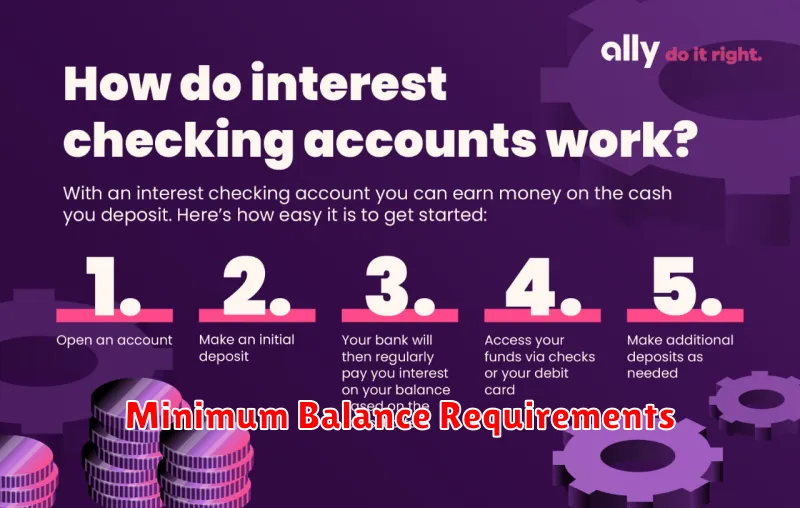
A key aspect of interest-bearing checking accounts is the minimum balance requirement. This refers to the minimum amount of money you must keep in your account to earn interest or avoid fees. These requirements can vary significantly between banks and even between different account types within the same bank.
Some accounts may require a higher minimum balance to earn the highest advertised interest rate. Others may have a lower minimum balance requirement, or even none at all, but might offer a lower interest rate. Carefully review the account details to understand these requirements.
Comparison with Traditional Checking
Interest-bearing checking accounts offer several advantages over traditional checking accounts. The most significant difference is the ability to earn interest on your balance. Traditional checking accounts typically do not pay interest, meaning your money essentially sits idle.
Another key distinction lies in fees. While both account types may charge monthly maintenance fees, interest-bearing accounts sometimes have higher minimum balance requirements to waive these fees. It’s crucial to compare these requirements and associated costs.
Accessibility to funds is generally comparable between the two, with both offering ATM access, debit cards, and online banking services.
Risks and Fees to Be Aware Of
While interest-bearing checking accounts offer advantages, it’s crucial to understand potential risks and fees. A key factor is minimum balance requirements. Failing to maintain the required balance can result in monthly fees, negating any interest earned.
Additionally, interest rates can fluctuate. While some accounts offer competitive rates, these can decrease over time, impacting your returns. Be sure to monitor rate changes and compare options regularly.
Tips to Maximize Your Earnings
To maximize your returns from an interest-bearing checking account, consider these strategies:
Maintain a High Balance: Interest is often calculated based on your average daily balance. A higher balance typically yields greater returns.
Choose Accounts with Tiered Interest Rates: Some accounts offer higher rates for balances above a certain threshold. Seek out these accounts to potentially boost earnings.
Understand the Compounding Frequency: More frequent compounding (e.g., daily or monthly) results in faster growth compared to less frequent compounding (e.g., annually).
Who Should Consider This Option?
Interest-bearing checking accounts can be beneficial for individuals who maintain higher balances and want to earn some return on their funds. They are a good option for those comfortable managing their money electronically, as many banks offer higher interest rates for accounts with limited or no paper checks.
Those who prioritize easy access to funds while still earning a modest return may also find these accounts appealing. However, if you frequently write checks or prefer in-person banking, the limitations on some interest-bearing checking accounts might make them less suitable.
