

In today’s increasingly digital world, understanding digital banking is an essential life skill. Teaching kids about digital banking early can empower them to manage their finances responsibly and make informed decisions. This guide provides parents and educators with practical strategies and resources on how to teach kids about digital banking, covering topics such as online safety, budgeting, saving, and spending wisely in the digital age. Learning the fundamentals of digital banking will provide children with a strong foundation for financial literacy and success in the future.
Navigating the complexities of digital banking can be daunting, even for adults. Therefore, it is crucial to introduce these concepts to children in an age-appropriate and engaging manner. This article will explore effective methods for teaching kids about digital banking, including using interactive games, simulations, and real-world examples. We will discuss the importance of emphasizing online safety and security while teaching kids how to use digital banking tools responsibly. By breaking down these concepts into manageable steps, we aim to empower children to become confident and responsible digital banking users.
Why It’s Important to Start Early
Introducing children to digital banking early cultivates responsible financial habits from a young age. It allows them to gradually learn about managing money in today’s increasingly digital world.
Early exposure can also help children develop essential skills like budgeting, saving, and understanding transaction history. These skills contribute to greater financial literacy and independence as they grow older.
Apps Designed for Children and Teens
Several financial institutions offer apps specifically designed for younger users. These apps often come with features that promote financial literacy and responsible spending habits. Parental controls are a key component, allowing adults to monitor transactions, set spending limits, and approve or deny requests.
Some apps gamify saving and budgeting, making learning about finances more engaging. They may also offer educational resources and tools to help children and teens understand basic financial concepts. Look for apps with age-appropriate interfaces and a focus on security.
Setting Parental Controls and Limits
Parental controls are essential for safe digital banking experiences for children. These tools empower parents to monitor activity, set spending limits, and restrict access to certain features.
Many banks offer family-friendly accounts with built-in controls. Explore these options and tailor them to your child’s age and maturity level. Consider starting with low spending limits and gradually increasing them as they demonstrate responsible financial behavior.
Using Allowance Tools and Saving Goals
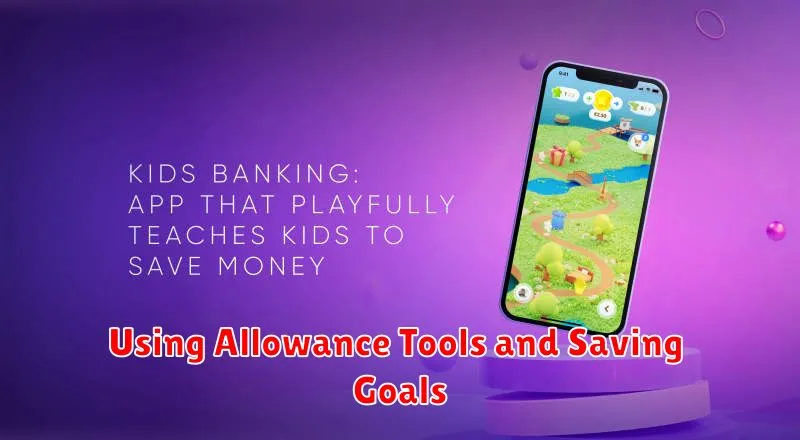
Many digital banking platforms offer allowance tools that facilitate regular payments and track transactions. Parents can set up recurring allowances, while kids can monitor their balance and spending. These tools provide a practical way for children to learn about money management in a digital environment.
Saving goals are a key component of financial literacy. Digital banking apps often include features to create and track savings goals. Children can set a target amount and timeframe for a desired purchase, fostering a sense of responsibility and delayed gratification. This helps them understand the connection between saving and achieving their objectives.
Explaining Transactions and Balances
A key concept in digital banking is understanding transactions and balances. Explain to children that a transaction is any activity that involves money moving in or out of their account. This could be a deposit, a withdrawal, or a purchase.
The balance is the total amount of money currently in their account. It’s crucial they understand that spending money lowers their balance, while depositing money increases it. Regularly checking their balance helps them manage their money effectively and avoid overspending.
Gamified Learning About Money
Introducing financial concepts through games can make learning engaging and fun for kids. Gamification helps children grasp abstract ideas like budgeting, saving, and spending in a practical, interactive way.
Numerous apps and board games are designed to teach children about money management. These tools often simulate real-world scenarios, allowing kids to make choices and experience the consequences in a safe environment. This experiential learning is crucial for developing sound financial habits.
Consider incorporating age-appropriate games that focus on earning, spending wisely, and the importance of saving. Interactive activities can provide a foundation for understanding more complex financial concepts later in life.
Promoting Long-Term Financial Responsibility
Digital banking offers a unique opportunity to instill long-term financial responsibility in children. By utilizing features like savings goals and spending trackers, kids can visualize the impact of their financial decisions.
Regularly reviewing their digital banking activity with a parent or guardian provides a platform for open communication about money management. This fosters a sense of ownership and accountability, crucial for developing responsible financial habits that will benefit them throughout their lives.
